
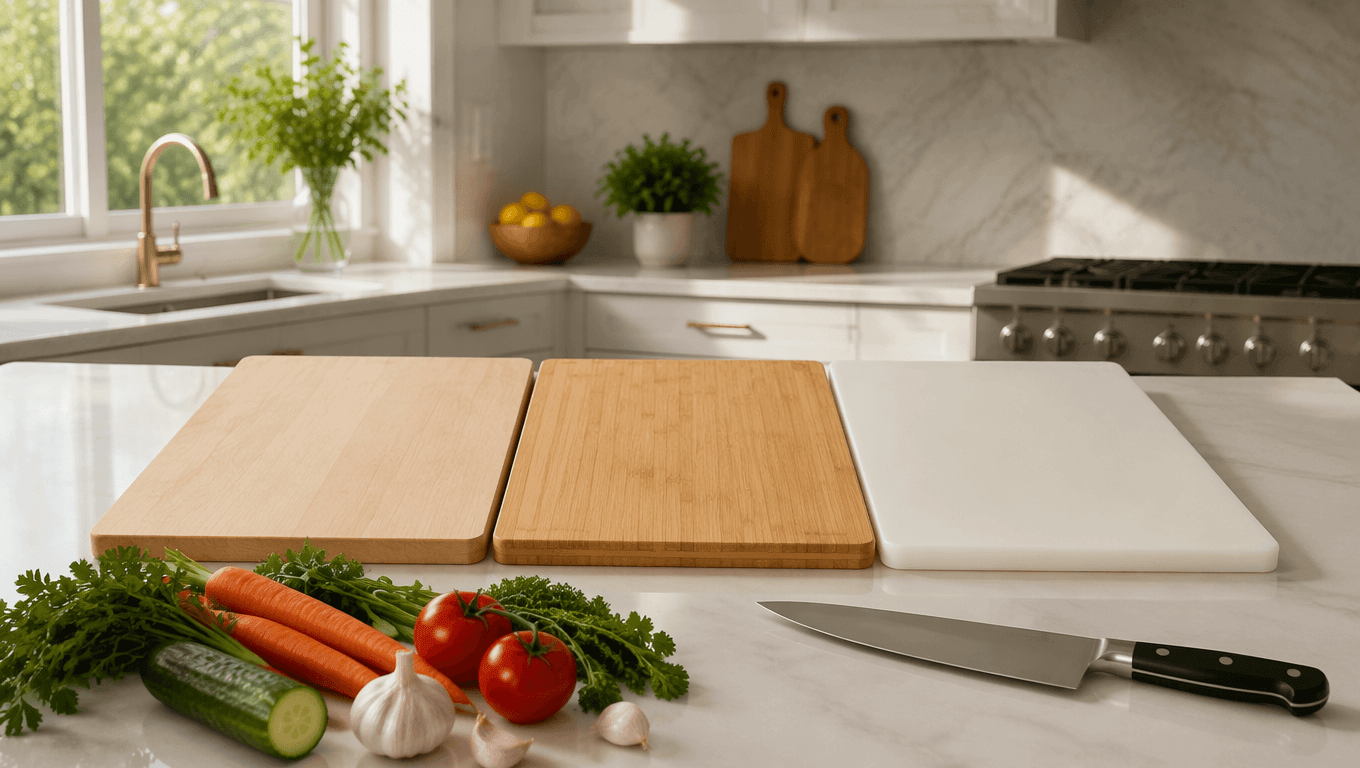
⭐ What is the best cutting board material in 2026?
The best cutting board material for most home kitchens in 2026 is hardwood, especially maple, walnut, or acacia. These materials are durable, gentle on knife edges, and can last for years with proper care. If you frequently prepare raw meat, a separate food-grade plastic (HDPE) cutting board is also a practical choice because it is easy to sanitize. The best option ultimately depends on your cooking habits, maintenance preferences, and the types of food you prepare most often.
A cutting board may seem like one of the simplest tools in your kitchen, but the best cutting board material can make a bigger difference than many people realize. It affects food preparation, knife performance, cleaning, durability, and even how comfortable everyday cooking feels. Whether you’re chopping fresh vegetables, slicing meat, or preparing ingredients for a family dinner, the material you choose matters.
Many people buy a cutting board based on its appearance or price without considering how different materials perform over time. Some boards are kinder to your knives, some are easier to maintain, while others are better suited for handling raw meat or everyday meal prep. Understanding these differences can help you choose a board that fits both your cooking style and your kitchen routine.
In this guide, we’ll compare the most popular cutting board materials, including wood, bamboo, plastic, rubber, composite, and glass. You’ll learn the advantages and disadvantages of each, discover which option is considered the healthiest cutting board material, and find practical recommendations based on real kitchen needs. By the end, you’ll know exactly which cutting board deserves a place on your countertop in 2026.
💚 Her Kitchen Guide Insight:
The best cutting board isn’t always the most expensive one. It’s the one that matches the way you cook, protects your knives, and makes everyday meal preparation easier.
Table of Contents
Why Your Cutting Board Material Matters More Than You Think
A cutting board does much more than provide a surface for chopping ingredients. Every slice, dice, and chop creates friction between your knife and the board, which directly affects both your knives’ sharpness and the condition of the cutting surface. Choosing the best cutting board material can help your knives stay sharper for longer while making food preparation safer and more enjoyable.
The material also plays an important role in hygiene and maintenance. Some cutting boards are easier to clean after preparing raw meat, while others require regular oiling to stay in good condition. A board that suits one household may not be the best choice for another. For example, someone who cooks several meals a day may value durability, while a small household might prefer a lightweight board that’s easy to store.
Another often-overlooked factor is long-term value. A quality cutting board can serve your kitchen for many years when properly cared for, whereas a cheaper board may wear out quickly, develop deep grooves, or require frequent replacement. Looking beyond the price tag can often save both money and frustration over time.
A cutting board is one of the tools you will use almost every day, along with a good knife and a few basic preparation tools. You can also see our guide to must have kitchen utensils for every home cook.
Quick Comparison: Which Cutting Board Material Is Best?
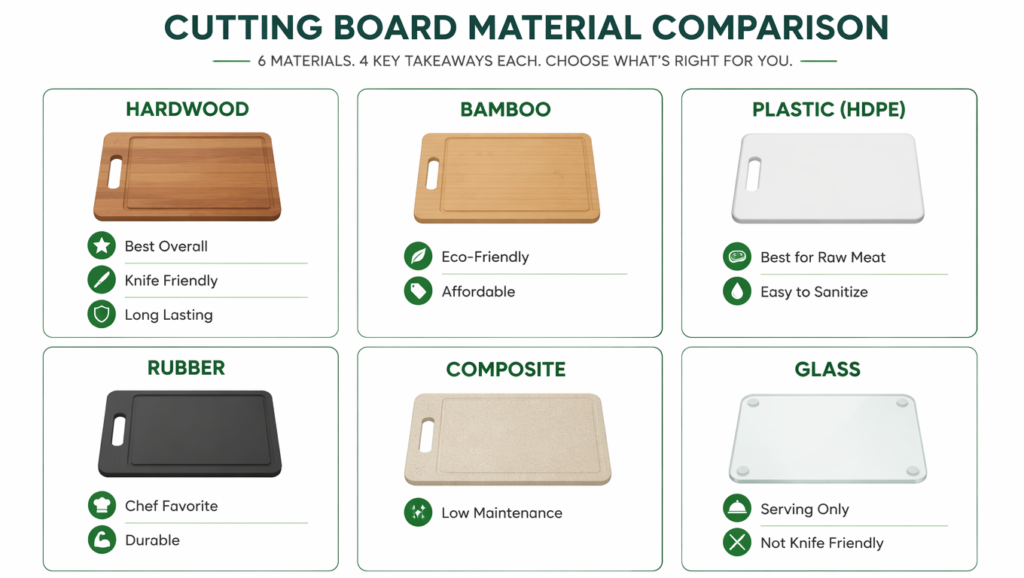
If you’re short on time, here’s a quick comparison of the most common cutting board materials. Each material has its own strengths, so the best choice depends on how you cook and what matters most to you.
| Material | Best for | Knife friendly | Easy to clean | Care needed | Key point |
|---|---|---|---|---|---|
| Hardwood | Everyday chopping and vegetables | High | Medium | Medium | Durable and comfortable with regular care |
| Bamboo | Budget-friendly everyday use | Medium | Medium | Medium | Lightweight but may feel harder on knives |
| Plastic HDPE | Raw meat and easy washing | Medium | High | Low | Replace when heavily scratched or warped |
| Rubber | Frequent chopping | High | Medium | Medium | Stable and gentle on knives but often expensive |
| Composite | Low maintenance cooking | Medium | High | Low | Durable but may be harder on knives |
| Glass or marble | Serving cheese, desserts and snacks | Very low | High | Low | Avoid for regular chopping because of knife wear |
💚 Her Kitchen Guide Insight:
If you’re buying just one cutting board for everyday home cooking, a quality hardwood board is often the most balanced choice. It offers a great mix of durability, knife protection, and long-term value.
Wood vs Bamboo vs Plastic: Which Cutting Board Material Should You Choose?
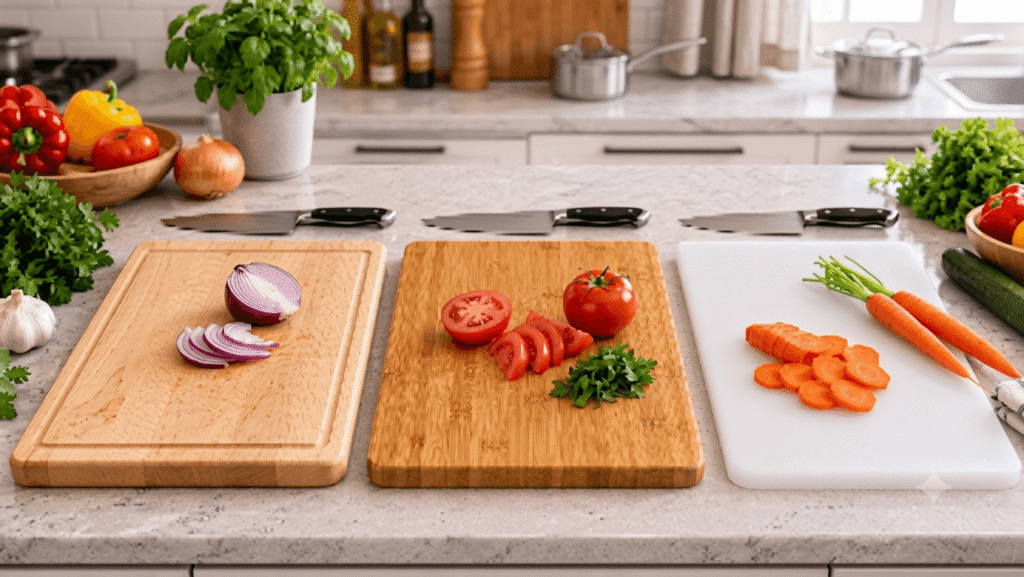
When people search for the best cutting board material, they usually compare three options: wood, bamboo, and plastic. Each has its own advantages, and the right choice depends on your cooking habits rather than one material being perfect for everyone.
Hardwood Cutting Boards (Best Overall)
Hardwood cutting boards, especially those made from maple, walnut, or acacia, are often considered the best choice for everyday kitchens. They provide a smooth yet durable surface that’s gentle on knife edges while standing up well to regular use.
Unlike softer woods, hardwood is dense enough to resist deep cuts when properly maintained. Many home cooks also appreciate its natural appearance, making it attractive enough to keep on the countertop.
Pros
- Gentle on knife edges.
- Long-lasting with proper care.
- Stable chopping surface.
- Beautiful natural appearance.
- Suitable for most everyday food preparation.
Things to Consider
- Requires occasional oiling.
- Should not be soaked in water.
- Usually costs more than plastic boards.
Bamboo Cutting Boards (Best Budget-Friendly Option)
Bamboo has become increasingly popular because it’s lightweight, affordable, and made from a fast-growing renewable resource. It’s a practical option for people looking for an eco-friendly cutting board without spending too much.
However, bamboo is generally harder than many hardwoods. While this improves scratch resistance, it may also be slightly tougher on knife edges over time.
Pros
- Affordable.
- Eco-friendly.
- Lightweight.
- Easy to store.
- Attractive modern look.
Things to Consider
- Can dull knives slightly faster than hardwood.
- Needs occasional maintenance to prevent drying.
- Quality varies between brands.
Plastic Cutting Boards (Best for Raw Meat)
Plastic cutting boards remain a popular choice because they’re easy to clean and are widely used in both home and commercial kitchens. Food-grade HDPE plastic boards are especially useful when preparing raw meat, poultry, or seafood because they can be cleaned thoroughly after use.
Over time, however, deep knife marks can develop on plastic surfaces. If your board becomes heavily scratched, it’s a good idea to replace it, as those grooves can become harder to clean effectively.
Pros
- Easy to sanitize.
- Lightweight.
- Dishwasher-safe on many models.
- Affordable.
- Great for handling raw meat.
Things to Consider
- Deep scratches can develop with frequent use.
- May need replacement sooner than quality wood boards.
- Less attractive for serving or countertop display.
💚 Her Kitchen Guide Insight:
Many experienced home cooks keep two cutting boards—a wooden board for fruits, vegetables, bread, and everyday meal prep and a separate plastic board for raw meat. It’s a simple habit that makes food preparation more organized and helps to reduce the risk of cross-contamination.
Rubber vs Composite vs Glass: Are They Worth Buying?
While wood, bamboo, and plastic are the most common cutting board materials, you may also come across rubber, composite, and glass boards. Each has its own purpose, but not every option is suitable for everyday cooking.
Rubber Cutting Boards (Best for Professional Kitchens)
Rubber cutting boards are commonly used in restaurants and professional kitchens because they’re durable, easy on knife edges, and provide a stable cutting surface. They can also be resurfaced when they develop deep knife marks, helping extend their lifespan.
For most home cooks, however, rubber boards may feel heavier and cost more than other options.
Pros
- Very gentle on knives.
- Excellent durability.
- Stable while chopping.
- Can often be resurfaced instead of replaced.
Things to Consider
Less common in regular home kitchens.
More expensive than plastic or bamboo.
Heavier to move and store.
Composite Cutting Boards (Best Low-Maintenance Choice)
Composite cutting boards are made from compressed wood fibres and food-safe resins. They combine some of the benefits of wood and plastic, offering a durable surface that requires very little maintenance.
Many composite boards are dishwasher-safe, making them a convenient option for busy households.
Pros
- Low maintenance.
- Durable and moisture resistant.
- Easy to clean.
- Suitable for everyday cooking.
Things to Consider
- Can be harder on knife edges than hardwood.
- Usually more expensive than plastic boards.
- Fewer design options.
Glass and Marble Cutting Boards (Best for Serving, Not Chopping)
Glass and marble boards may look elegant on a kitchen counter, but they are generally not recommended for everyday chopping. Their hard surfaces can dull knife edges quickly and create an uncomfortable cutting experience.
They work much better as serving boards for cheese, desserts, or appetizers than as daily food preparation surfaces.
Pros
- Easy to wipe clean.
- Stylish appearance.
- Great for serving food.
Things to Consider
- Can dull knives quickly.
- Noisy while chopping.
- Slippery surface compared to wood or rubber.
💚 Her Kitchen Guide Insight:
If you love the look of marble or glass, consider using them as serving boards instead of prep boards. Your knives will thank you, and your board will stay looking beautiful for much longer.
What Is the Healthiest Cutting Board Material?
One of the most common questions people ask is, “What is the healthiest cutting board material?” The answer depends on how you use and care for your board.
For everyday home cooking, hardwood cutting boards such as maple, walnut, or acacia are widely regarded as an excellent choice. They’re durable, gentle on knives, and, when cleaned and dried properly, provide a reliable surface for preparing fruits, vegetables, bread, and other everyday ingredients.
If you regularly prepare raw meat, poultry, or seafood, keeping a separate food-grade plastic (HDPE) cutting board can be a practical option because it’s easy to sanitize after use. Using separate boards for raw and ready-to-eat foods also helps reduce the risk of cross-contamination. Pairing a quality cutting board with non-toxic cookware can help create a healthier cooking environment.
Rather than searching for one “perfect” material, it’s often more helpful to choose the right board for the task and maintain it properly.
📌 Quick Answer
For most home kitchens:
🥇 Hardwood (Maple, Walnut, or Acacia)
For raw meat:
🥇 Food-grade HDPE Plastic
For eco-conscious buyers:
🥇 Bamboo
What Do Professional Chefs Use for Cutting Boards?
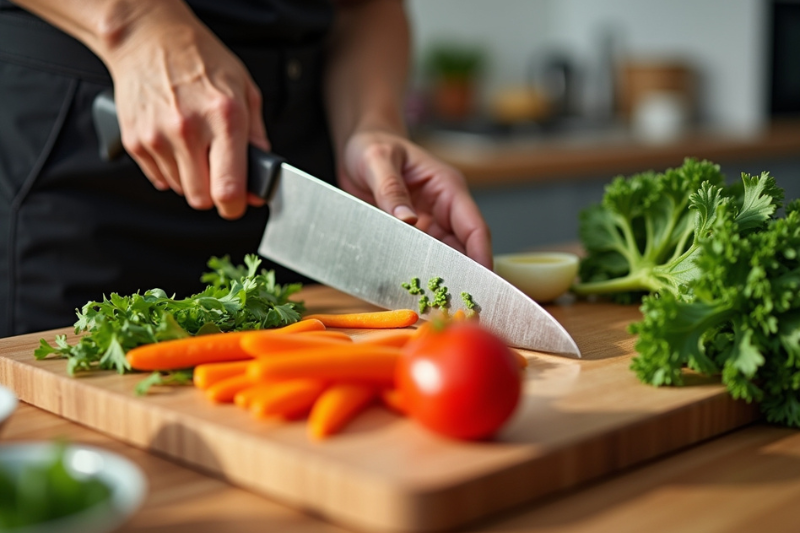
Professional kitchens often use color coded plastic or rubber boards because they are durable and easy to clean. In commercial foodservice settings, food equipment may be evaluated against standards such as NSF food equipment standards.
Many chefs also prefer thick hardwood butcher blocks for tasks that involve frequent chopping or heavy knife work. These boards provide a stable surface and help protect high-quality knives during long cooking sessions.
For home kitchens, you don’t need restaurant-grade equipment to enjoy similar benefits. A well-made hardwood board for everyday prep, combined with a separate plastic board for raw meat, is a practical setup that works well for most families.
💚 Her Kitchen Guide Insight:
Professional kitchens often use multiple cutting boards—not because one material is perfect, but because different foods require different preparation surfaces. You can apply the same simple approach at home without buying expensive equipment.
How to Choose the Best Cutting Board Material
The best cutting board material isn’t the same for everyone. The right choice depends on how often you cook, the foods you prepare, your budget, and how much maintenance you’re comfortable with. Before buying a cutting board, keep these important factors in mind.
1. Think About What You Cook Most Often
Your cooking habits should guide your decision.
- If you mostly chop vegetables, fruits, herbs, and bread, a hardwood cutting board is an excellent everyday choice.
- If you regularly prepare raw chicken, fish, or meat, keeping a separate food-grade plastic (HDPE) board makes cleaning and sanitizing easier.
- If you do a mix of both, using two different boards is often the most practical solution.
2. Consider Your Knife Collection
Not all cutting board materials treat your knives the same way.
Hardwood and quality rubber boards are generally the gentlest on knife edges, helping your knives stay sharp for longer. Bamboo and composite boards are slightly harder, while glass and marble can dull knives much faster.
If you’ve invested in good kitchen knives, choosing a knife-friendly cutting board can help protect that investment.
3. Choose a Material You Can Maintain
Some cutting boards need more care than others.
Wooden boards should be cleaned properly, dried immediately, and occasionally treated with food-grade mineral oil to help prevent drying or cracking. Plastic and composite boards usually require less maintenance, making them convenient for busy households.
The best cutting board is one you’ll actually maintain properly.
4. Think About Long-Term Value, Not Just Price
A cheap cutting board may seem like a good deal, but replacing it every year can cost more over time.
A quality hardwood board may have a higher upfront cost, but with proper care, it can remain in excellent condition for many years. If you’re looking for a balance between affordability and durability, bamboo is also a solid option.
💚 Her Kitchen Guide Insight:
Instead of asking, “What’s the cheapest cutting board?” ask yourself, “Which one will still perform well a few years from now?” A well-chosen kitchen tool often offers better value over time.
What Size Cutting Board Should You Buy?
Choosing the right material is important, but size matters too. A cutting board that’s too small can make meal preparation frustrating, while an oversized board may be difficult to clean and store.
Here’s a simple guide to help you choose the right size.
| Board Size | Best For |
|---|---|
| Small (8×10 to 10×12 inches) | Fruits, herbs, garlic, quick snacks |
| Medium (12×18 inches) | Everyday meal preparation for most households |
| Large (15×20 inches or bigger) | Family cooking, batch meal prep, large cuts of meat |
For most kitchens, a medium-sized cutting board offers the best balance between workspace and convenience. It provides enough room for chopping without taking over your countertop.
If you often prepare meals for a large family or enjoy batch cooking, a larger board can make food preparation more comfortable and organized.
How Many Cutting Boards Does a Home Kitchen Really Need?
Many people assume one cutting board is enough, but using more than one board can make cooking easier and help keep your kitchen more organized.
A simple two-board system works well for most households:
🥬 Board 1: Fruits, vegetables, bread, herbs, and cooked foods.
🥩 Board 2: Raw meat, poultry, and seafood.
This helps reduce the chance of cross-contamination while making meal prep more efficient.
If you cook frequently, you might even add a third board for foods with strong aromas, such as onions, garlic, or fish.
For recipes that involve shaping raw chicken mixtures, such as our Pakistani chicken shami kabab recipe, keeping a separate board for raw meat preparation can make cleanup easier.
💚 Her Kitchen Guide Insight:
You don’t need an expensive collection of cutting boards. For most families, one quality wooden board for everyday prep and one food-grade plastic board for raw meat is a practical, budget-friendly setup that covers almost every cooking task.
⭐ Quick Recommendation
If you’re still unsure which cutting board to buy, here’s a simple guide:
✅ Choose Hardwood if you want the best all-around performance.
✅ Choose Bamboo if you’re looking for an affordable, eco-friendly option.
✅ Choose Plastic (HDPE) if you frequently prepare raw meat and want easy sanitizing.
✅ Choose Rubber if you want a professional-grade cutting surface.
✅ Avoid Glass or Marble for everyday chopping, as they can dull knife edges quickly.
Common Cutting Board Mistakes to Avoid
Even the best cutting board material won’t perform well if it’s used incorrectly. Avoiding these common mistakes can help your cutting board last longer while keeping your kitchen safer and more organized.
Using One Board for Everything
Using the same board for vegetables, cooked food, and raw meat increases the risk of cross-contamination. Keeping a separate board for raw meat is a simple habit that makes food preparation safer.
Putting Wooden Boards in the Dishwasher
Wooden cutting boards should never be left soaking in water or cleaned in the dishwasher. Excess moisture can cause the wood to warp, crack, or split over time.
Ignoring Deep Knife Grooves
Every cutting board develops marks with use, but very deep grooves can become difficult to clean properly. If a plastic board becomes heavily worn or a wooden board develops severe damage, it may be time to replace or refinish it.
Using Glass Boards for Daily Chopping
Glass boards may look modern, but they can quickly dull sharp kitchen knives. They’re better suited for serving cheese, desserts, or snacks than for everyday meal preparation.
💚 Her Kitchen Guide Insight:
A cutting board doesn’t have to look brand new forever. Regular signs of use are normal, but keeping it clean, dry, and well-maintained will help it perform better for years.
How to Care for Your Cutting Board
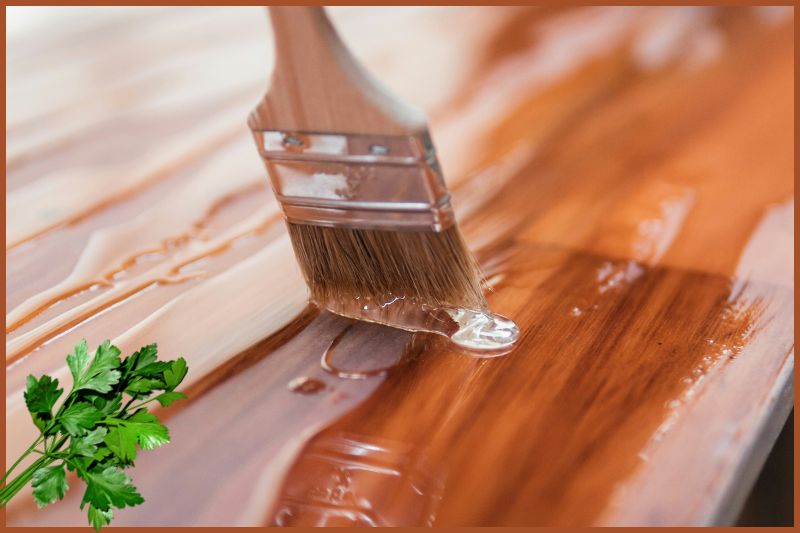
A quality cutting board is an investment, and a little care can significantly extend its lifespan.
For Wooden Cutting Boards
- Wash with warm water and mild dish soap.
- Dry immediately with a clean towel.
- Never soak in water.
- Apply food-grade mineral oil every few weeks, or whenever the wood starts looking dry.
- Most wooden and bamboo boards should be hand washed, dried promptly and never left soaking. Always follow the manufacturer’s care instructions, especially if the board has glued joints, handles or a special finish.
Food safety reminder
Use one cutting board for fresh fruits, vegetables, bread and other ready to eat foods. Use a separate board for raw meat, poultry and seafood. Wash the board, knife, dishes and counter with hot, soapy water after preparing raw food, then dry the board completely before storing it.
For Bamboo Cutting Boards
- Hand wash after each use.
- Avoid prolonged exposure to water
- Oil occasionally to reduce drying and cracking.
For Plastic Cutting Boards
- Wash thoroughly after preparing raw meat.
- Many plastic boards can go in the dishwasher, but check the manufacturer’s instructions first. Replace the board if it becomes deeply grooved, cracked, warped or difficult to clean.
- Wash cutting boards, dishes, utensils and countertops with hot, soapy water after preparing food. The FDA also recommends using a separate board for fresh produce and another for raw meat, poultry and seafood. Read the FDA safe food handling guidance for more details.
- Replace the board if deep grooves become difficult to clean.
For more simple ways to clean your food preparation area, read our guide to natural kitchen cleaning hacks for busy homemakers.
For Composite and Rubber Boards
- Follow the care instructions provided by the manufacturer.
- Clean thoroughly after each use.
- Avoid harsh scrubbing that may damage the surface.
Store your cutting boards upright or in a dry, easy to reach space so they can air dry properly after washing. These pantry organization ideas for small kitchens may help you create more practical kitchen storage.
💚 Her Kitchen Guide Insight:
No matter which material you choose, cleaning your cutting board soon after use and allowing it to dry completely before storing will help keep it in better condition.
Choosing the Best Cutting Board Material for Pakistani and South Asian Kitchens
If you cook South Asian meals regularly, your cutting board needs may be slightly different from someone who mostly prepares salads or sandwiches. Everyday cooking often involves chopping onions, tomatoes, green chillies, fresh herbs, garlic, ginger, and sometimes preparing dough or handling raw meat.
For these tasks, a large hardwood cutting board is often the most practical choice. It provides enough space for meal prep, feels sturdy while chopping, and is gentle on kitchen knives.
If you frequently prepare chicken, beef, or fish, it’s a good idea to keep a separate food-grade plastic cutting board for raw meat. This makes cleaning easier and helps reduce the risk of cross-contamination.
For many home cooks, a simple two-board setup works well:
- A wooden cutting board for vegetables, herbs, fruits, and everyday prep.
- A plastic cutting board reserved for raw meat and seafood.
💚 Her Kitchen Guide Insight:
If your kitchen routine includes making roti, kneading dough, or preparing large family meals, choose a cutting board that’s at least 12 × 18 inches. The extra space makes everyday meal prep much more comfortable.
Frequently Asked Questions (FAQ)
1. What is the best cutting board material for everyday cooking?
For most home kitchens, hardwoods such as maple, walnut, or acacia offer an excellent balance of durability, knife protection, and long-term value.
2. What is the best cutting board material for health?
A well-maintained hardwood cutting board is widely considered one of the healthiest options for everyday food preparation. For raw meat, many people prefer a separate food-grade plastic (HDPE) board because it’s easy to sanitize.
3. Are wooden cutting boards more hygienic than plastic?
Both can be hygienic when cleaned properly. The most important factor is regular cleaning, drying, and replacing boards that become excessively worn.
4. Is bamboo better than wood?
Bamboo is affordable and eco-friendly, while hardwood is generally gentler on knives and can offer longer-lasting performance with proper care. The better choice depends on your priorities.
5. What do professional chefs use for cutting boards?
Many professional kitchens use HDPE plastic or rubber cutting boards for food safety and easy sanitizing, while hardwood butcher blocks are also popular for heavy prep work.
6. Can I use the same cutting board for vegetables and meat?
It’s better to use separate boards whenever possible. This helps reduce the risk of cross-contamination during food preparation.
7. How often should I replace a cutting board?
Replace a cutting board when it develops deep grooves, cracks, or damage that cannot be cleaned properly. A well-maintained hardwood board can often be refinished instead of replaced
8. What size cutting board is best?
For most households, a 12 × 18-inch cutting board offers enough workspace for everyday meal preparation while remaining easy to clean and store.
9. Are glass cutting boards safe?
Glass cutting boards are safe for serving food, but they’re generally not recommended for regular chopping because they can dull knife edges quickly.
10. Which cutting board material is best for knives?
Hardwood and rubber cutting boards are among the most knife-friendly options because they help reduce wear on the blade during everyday use.
Final Verdict: What Is the Best Cutting Board Material for Your Kitchen?
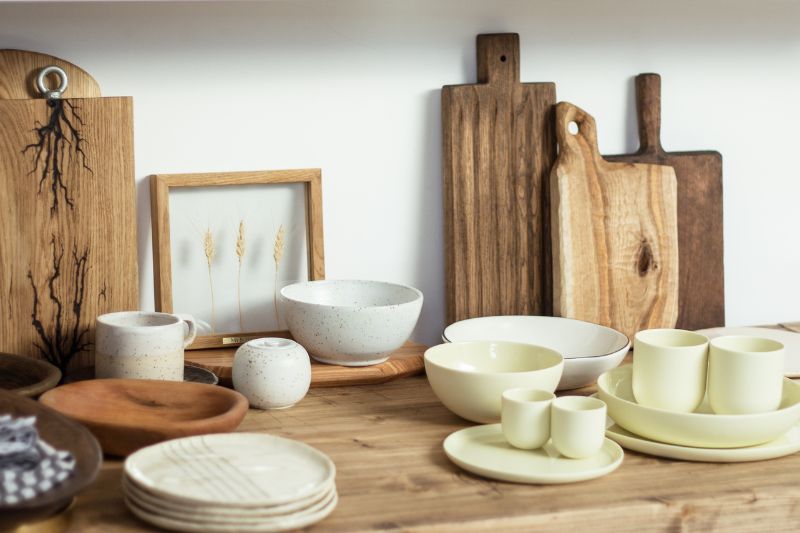
If you’re looking for the best cutting board material overall, hardwood remains the top choice for most home kitchens. It’s durable, comfortable to use, gentle on knives, and can provide excellent long-term value when properly maintained.
If you regularly prepare raw meat, adding a separate food-grade plastic (HDPE) cutting board is a practical way to simplify cleaning and help prevent cross-contamination. Meanwhile, bamboo offers a budget-friendly, eco-conscious alternative for everyday meal preparation.
Ultimately, the best cutting board is the one that matches your cooking style, maintenance preferences, and kitchen routine. By choosing the right material and caring for it properly, you’ll enjoy a safer, more efficient, and more enjoyable cooking experience for years to come.
If you’re building a healthier kitchen, choosing the best cutting board material is a simple upgrade that can make everyday food preparation safer and more enjoyable. Whether you prefer hardwood, bamboo, or food-grade plastic, the right choice depends on your cooking habits and maintenance preferences.
📖 You May Also Like
- 👉7 Best Non-Toxic Non-Stick Cookware Sets for Safe & Healthy Cooking (2026)
- 👉15 Natural Kitchen Cleaning Hacks That Actually Work
- 👉15 Best Pantry Organization Ideas for Small Kitchens (2026)
Explore More Kitchen Guides
Looking for more practical kitchen tips, appliance buying guides, and easy recipes? Browse our latest articles and discover more helpful kitchen guides.