⭐ What are the must-have kitchen utensils for everyday cooking?
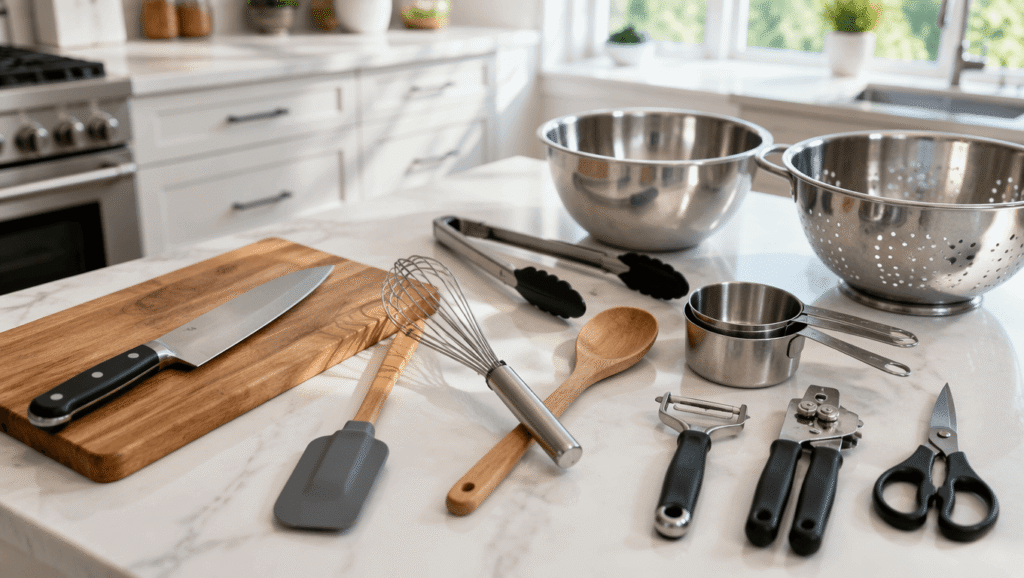
If you’re looking for the most useful must-have kitchen utensils, start with a chef’s knife, cutting board, silicone spatula, wooden spoon, tongs, whisk, measuring cups, measuring spoons, mixing bowl, peeler, colander, can opener, kitchen shears, ladle, and slotted spoon. These 15 must-have kitchen utensils cover almost every daily cooking task while helping you save time, reduce clutter, and prepare meals more efficiently.
Have you ever opened a kitchen drawer and realized it’s full of utensils you rarely use? I certainly have. At one point, I kept buying new kitchen tools because they looked useful, but many of them ended up sitting untouched while I reached for the same few utensils every day.
That’s when I realized something simple: a well-equipped kitchen isn’t about owning more must-have kitchen utensils; it’s about owning the right ones. A handful of high-quality, must-have kitchen utensils can make cooking faster, easier, and much more enjoyable than a drawer full of gadgets you’ll never use.
Whether you’re setting up your first kitchen, replacing worn-out tools, or simply trying to cook more efficiently, choosing the right must-have kitchen utensils is one of the smartest investments you can make. From chopping vegetables to stirring soups, flipping pancakes, measuring ingredients, and serving meals, the right utensils help you cook with confidence while protecting your cookware and reducing unnecessary effort.
In this guide, you’ll discover 15 must-have kitchen utensils every home cook needs in 2026, learn what each utensil is used for, understand which materials are worth buying, avoid common purchasing mistakes, and find practical tips to build a functional kitchen without overspending.
Why Must-Have Kitchen Utensils Matter More Than You Think
Many people assume that buying more kitchen utensils will automatically make cooking easier. In reality, the opposite is often true. Too many unnecessary tools can clutter your drawers, waste money, and make meal preparation more frustrating.
Instead of filling your kitchen with single-purpose gadgets, focus on must-have kitchen utensils that you can use almost every day. A thoughtfully chosen collection of kitchen utensils can help you
- Prepare meals faster and more efficiently.
- Protect your non-stick cookware from scratches.
- Improve cooking accuracy with proper measuring tools.
- Keep your kitchen organized and clutter-free.
- Save money by avoiding unnecessary purchases.
- Make everyday cooking more enjoyable and less stressful.
Whether you cook simple weekday dinners or enjoy experimenting with new recipes on weekends, having the right utensils within easy reach can make a noticeable difference.
If you’re planning a complete kitchen setup, don’t forget to choose appliances that match your available space. Our guide to the best kitchen appliances for small kitchens can help you make smarter buying decisions.
Quick Checklist: 15 Must-Have Kitchen Utensils
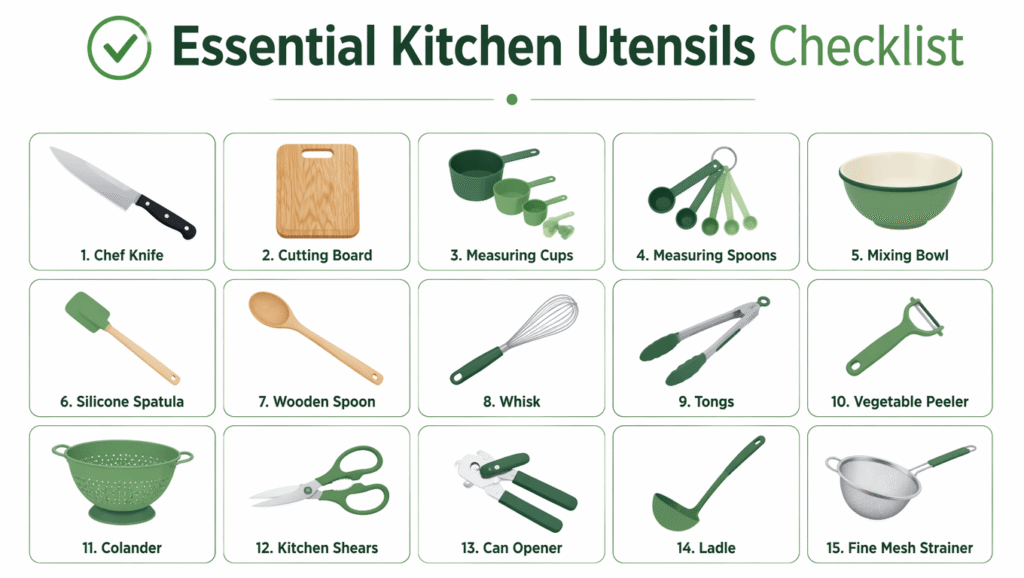
| Chef’s Knife | Chopping, slicing & dicing |
| Cutting Board | Safe food preparation |
| Vegetable Peeler | Peeling fruits & vegetables |
| Silicone Spatula | Stirring & scraping |
| Wooden Spoon | Everyday cooking |
| Kitchen Tongs | Flipping & serving |
| Ladle | Soups & sauces |
| Slotted Spoon | Draining while serving |
| Whisk | Mixing & beating ingredients |
| Measuring Cups | Dry & liquid measurements |
| Measuring Spoons | Small ingredient measurements |
| Mixing Bowl | Mixing & food preparation |
| Kitchen Shears | Herbs, meat & packaging |
| Can Opener | Opening canned foods |
| Colander | Washing & draining vegetables or pasta |
Cutting & Food Prep Essentials
Every great meal starts with proper preparation. Whether you’re chopping vegetables, slicing meat, or peeling fruit, having the right food prep utensils can make cooking safer, faster, and far more enjoyable. These three essentials are the foundation of almost every kitchen.
1. Chef’s Knife
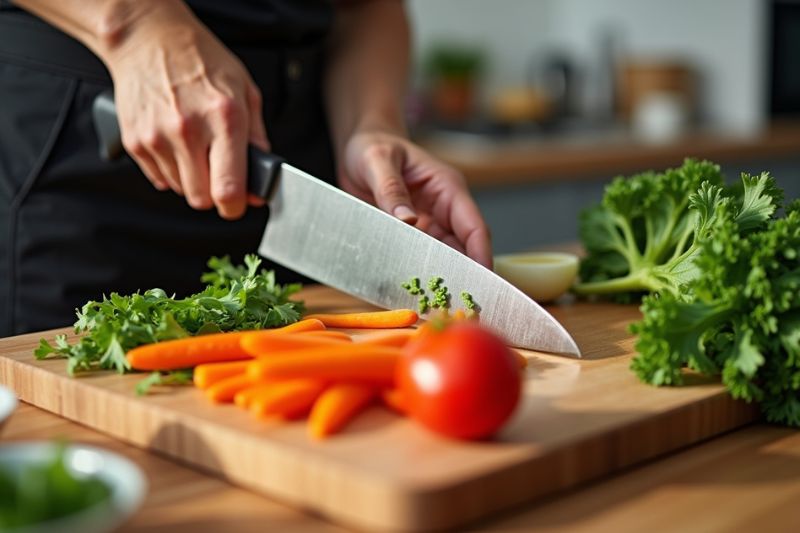
If you could own only one kitchen utensil, a quality chef’s knife would be the best choice. It’s one of the most versatile tools you’ll use every day, whether you’re slicing onions, chopping herbs, cutting meat, or preparing fruit.
A chef’s knife typically measures 8 inches (20 cm), which offers a good balance between control and cutting power for most home cooks.
Why You’ll Use It Every Day
- Chopping vegetables
- Slicing meat
- Cutting herbs
- Dicing onions
- Preparing fruit
Buying Tips
A well-balanced knife reduces hand fatigue during longer meal prep sessions.
Look for high-carbon stainless steel for durability and rust resistance.
Choose a comfortable, non-slip handle.
An 8-inch blade suits most kitchens and cooking styles.
Kitchen Tip:
A sharp knife is actually safer than a dull one because it requires less force and gives you better control while cutting.
2. Cutting Board
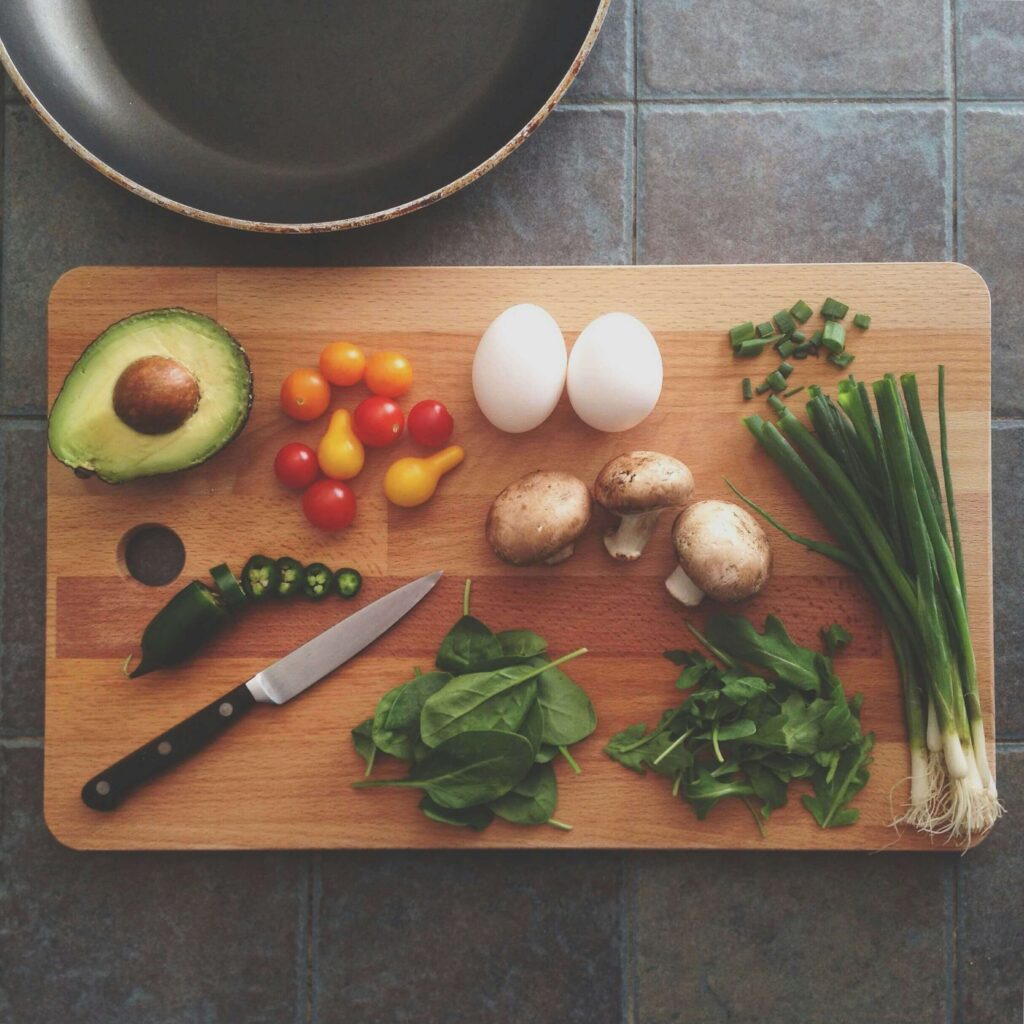
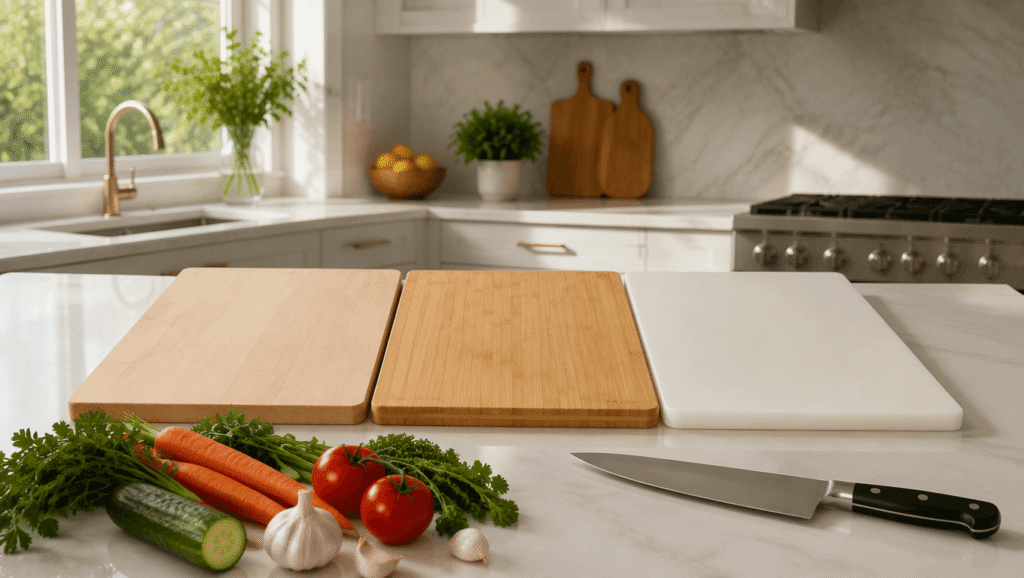
A good cutting board protects both your countertop and your knife while providing a stable surface for food preparation. Although it may seem like a simple accessory, choosing the right material can affect hygiene, knife performance, and long-term durability.
For everyday cooking, wood and high-quality plastic cutting boards remain the most practical options. Many home cooks keep separate boards for raw meat and fresh produce to help reduce the risk of cross-contamination.
Many food safety experts also recommend using separate cutting boards for raw meat and fresh produce to reduce the risk of cross-contamination.
Best Uses
- Chopping vegetables
- Preparing meat
- Slicing bread
- Cutting fruit
- Everyday meal prep
Buying Tips
- Choose a board large enough to work comfortably.
- Look for non-slip feet or a stable base.
- Consider owning separate boards for meat and vegetables.
- Replace deeply scored plastic boards when they become difficult to clean.
💡 Want help choosing the right material?
If you’re unsure whether wood, bamboo, or plastic is the better choice, read our detailed guide on the best cutting board materials to compare durability, hygiene, knife safety, and maintenance before buying.
3. Vegetable Peeler
A vegetable peeler might be small, but it’s one of those kitchen utensils you’ll appreciate every time you prepare potatoes, carrots, cucumbers, apples, or other fruits and vegetables.
Compared to using a knife, a sharp peeler removes thinner layers of skin, helping reduce food waste while saving time.
Best Uses
- Potatoes
- Carrots
- Cucumbers
- Apples
- Pears
- Zucchini
Buying Tips
Choose an ergonomic handle for a comfortable grip.
Stainless steel blades stay sharp longer.
A swivel peeler works well for most people because it follows the shape of the food.
Common Mistake:
Many people continue using a dull peeler for years. If peeling starts requiring extra pressure or leaves uneven surfaces, it’s time to replace it.
Why Quality Matters More Than Quantity
One lesson I’ve learned over time is that owning fewer must-have kitchen utensils of better quality usually works better than filling drawers with inexpensive tools that wear out quickly. A reliable chef’s knife, a sturdy cutting board, and a comfortable vegetable peeler can easily handle hundreds of meal preparations while making everyday cooking feel much easier.
Instead of buying large utensil sets with pieces you’ll rarely use, focus on building your kitchen gradually with tools you’ll reach for almost every day.
Cooking Essentials
Once your food is prepped, the right cooking utensils help you stir, flip, serve, and cook with confidence. These are the tools most home cooks reach for almost every day, regardless of whether they’re making a quick breakfast or a family dinner.
4. Silicone Spatula
A silicone spatula is one of the most versatile kitchen utensils you can own. Unlike metal utensils, it’s gentle on non-stick cookware, making it ideal for stirring, folding, scraping, and mixing without damaging the surface.
If you’re planning to upgrade your cookware too, don’t miss our guide to the best non-toxic non-stick cookware sets for safer everyday cooking.
Best Uses
- Stirring sauces
- Scraping mixing bowls
- Folding batter
- Cooking with non-stick pans
Buying Tips
A one-piece design is easier to clean and more durable than removable heads.
Choose food-grade, BPA-free silicone.
Look for heat resistance of at least 230°C (450°F).
When buying silicone utensils, look for products made from food-grade silicone and always follow the manufacturer’s temperature guidelines.
Kitchen Tip:
If you use non-stick cookware, silicone utensils are a better choice than metal ones because they help extend the life of your pans.
5. Wooden Spoon
Despite the popularity of modern utensils, a wooden spoon remains a timeless kitchen essential. It’s sturdy, comfortable to hold, and safe to use with almost every type of cookware.
Unlike metal spoons, wooden spoons don’t scratch delicate surfaces or become too hot to handle during cooking.
Best Uses
- Stirring soups and stews
- Mixing sauces
- Cooking rice
- Sautéing vegetables
Buying Tips
Wash by hand and allow it to dry completely before storing.
Choose hardwood such as beech, maple, or teak.
Look for a smooth finish without cracks.
Common Mistake:
Leaving wooden utensils soaking in water for long periods can cause cracking or warping over time.
6. Kitchen Tongs
Kitchen tongs provide better control than forks or spoons when flipping, turning, or serving food. They’re especially useful for grilling, pan-frying, roasting, and serving salads or pasta.
Best Uses
- Flipping meat
- Turning vegetables
- Serving salads
- Handling hot food safely
Buying Tips
Choose a comfortable grip with a strong spring mechanism.
Silicone-tipped tongs protect non-stick cookware.
Locking tongs save storage space.
7. Ladle
A ladle makes serving soups, curries, sauces, and stews much easier. Its deep bowl helps transfer liquids neatly without spills.
Best Uses
- Soup
- Curry
- Chili
- Stews
- Sauces
Buying Tips
Choose a long handle to protect your hands from heat.
Stainless steel works well for stainless cookware.
Silicone ladles are better for non-stick pots.
8. Slotted Spoon
A slotted spoon allows liquid to drain away while lifting solid foods, making it perfect for boiling, blanching, or frying.
Best Uses
- Removing boiled vegetables
- Serving pasta
- Lifting dumplings
- Frying foods
Buying Tips
Make sure the slots are large enough for quick draining.
Stainless steel offers excellent durability.
Silicone versions are ideal for non-stick cookware.
Which Material Is Best for Must-Have Kitchen Utensils?
The best material depends on your cookware and cooking style.
| Material | Best For | Keep in Mind |
|---|---|---|
| Silicone | Non-stick cookware | Heat-resistant and flexible |
| Wood | Everyday cooking | Needs occasional maintenance |
| Stainless Steel | Heavy-duty cooking | Avoid on delicate non-stick surfaces |
| Nylon | Budget-friendly option | Check heat resistance before buying |
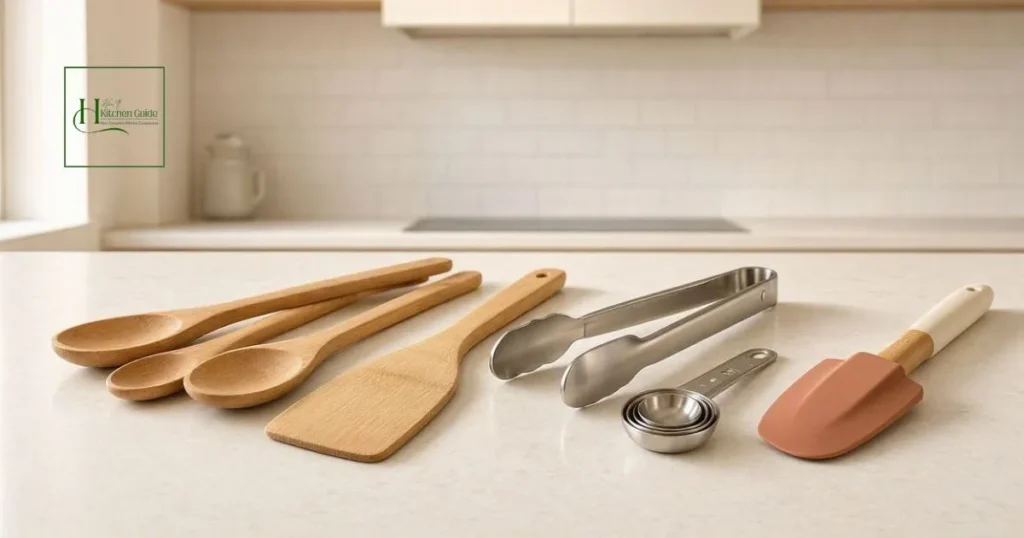
For many kitchens, a combination of silicone, wood, and stainless steel provides the best balance of durability, versatility, and cookware protection.
💡 Quick Tip:
You don’t need to buy every utensil from the same brand. Building your kitchen gradually with high-quality pieces often gives better value than purchasing a large matching set that includes tools you’ll rarely use.
Measuring & Mixing Essentials
Whether you’re following a baking recipe or cooking dinner, accurate measurements can make a big difference. These kitchen utensils help you mix ingredients evenly, improve consistency, and reduce guesswork while cooking.
9. Measuring Cups
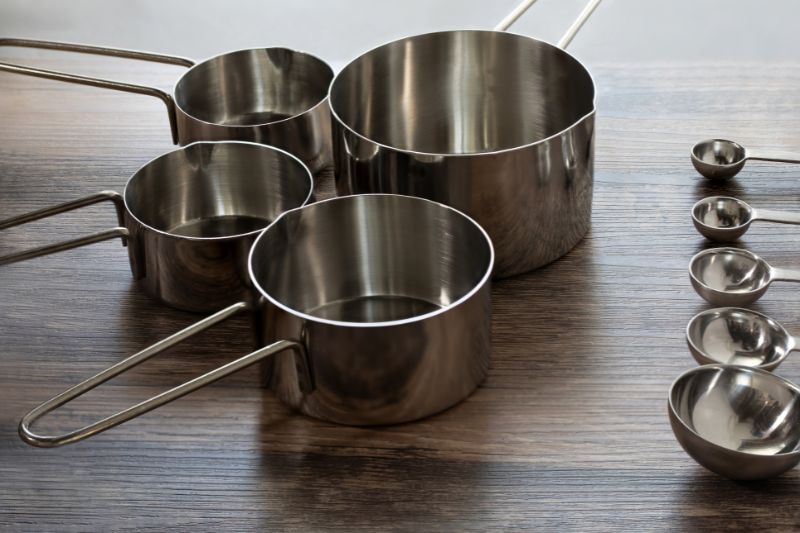
Measuring cups help ensure recipes turn out as expected, especially when baking or preparing dishes that require precise ingredient ratios.
It’s a good idea to have both dry measuring cups and a liquid measuring cup, as each is designed for different types of ingredients.
Best Uses
- Flour
- Rice
- Sugar
- Milk
- Oil
- Water
Buying Tips
A complete set should include ¼, ⅓, ½, and 1 cup sizes.
Choose BPA-free plastic, stainless steel, or tempered glass.
Look for engraved measurement markings that won’t fade over time.
10. Measuring Spoons
Even a small difference in spices or baking ingredients can affect the final result. Measuring spoons help maintain consistency, especially when using salt, baking powder, vanilla extract, or herbs.
Best Uses
- Spices
- Salt
- Baking powder
- Vanilla extract
- Herbs
Buying Tips
Nested spoon sets save storage space.
Stainless steel sets are durable and easy to clean.
Choose clearly labelled measurements.
11. Mixing Bowl
A good mixing bowl is one of the hardest-working kitchen utensils. Beyond mixing ingredients, it can be used for marinating meat, tossing salads, whisking eggs, or storing prepared ingredients during meal prep.
Having bowls in different sizes makes cooking much more convenient.
Best Uses
- Mixing batter
- Tossing salads
- Marinating meat
- Preparing dough
- Meal prep
Buying Tips
Non-slip bases add extra stability while mixing.
Stainless steel bowls are lightweight and durable.
Glass bowls work well for microwave use and food preparation.
12. Whisk
A whisk helps blend ingredients smoothly while adding air where needed. Whether you’re making pancake batter, whipping cream, or preparing eggs, a whisk creates a smoother texture than a spoon.
Best Uses
- Beating eggs
- Mixing batter
- Whipping cream
- Preparing sauces
- Salad dressings
Buying Tips
Choose a comfortable handle for better control.
Stainless steel wire whisks are versatile for everyday use.
Silicone-coated whisks are better for non-stick cookware.
Kitchen Tip:
A medium-sized balloon whisk is usually the most versatile option for everyday home cooking.
Everyday Kitchen Helpers
These utensils may not get as much attention as knives or spatulas, but they’re the tools you’ll be glad to have when you need them. They simplify routine tasks and help keep meal preparation efficient.
13. Kitchen Shears
Kitchen shears are far more versatile than regular household scissors. They can trim herbs, cut poultry, open food packaging, and even slice pizza in some cases.
Best Uses
- Cutting herbs
- Trimming chicken
- Opening food packages
- Snipping kitchen twine
Buying Tips
Look for soft, non-slip handles.
Stainless steel blades resist rust.
Choose detachable blades for easier cleaning.
14. Can Opener
A reliable can opener is one of those kitchen utensils you don’t think about until you need it. A smooth-turning manual opener with a comfortable grip is usually enough for most households.
Best Uses
- Opening canned beans
- Tomatoes
- Soup
- Vegetables
- Fruit
Buying Tips
Smooth-edge models improve safety.
Stainless steel cutting wheels last longer.
Choose an ergonomic handle for comfortable use.
15. Colander
A colander is essential for washing fruits and vegetables or draining pasta, rice, and other cooked foods. A sturdy colander with stable feet makes everyday kitchen tasks quicker and less messy.
Best Uses
- Washing produce
- Draining pasta
- Rinsing rice
- Cleaning beans
Buying Tips
Wide handles provide a more secure grip.
Stainless steel offers excellent durability.
BPA-free plastic is lightweight and budget-friendly.
My Practical Advice: Start Small, Buy Better
One thing I’ve noticed over time is that you don’t need a drawer full of kitchen gadgets to cook well. Most everyday meals can be prepared with a small collection of reliable kitchen utensils that feel comfortable to use and are built to last.
If you’re setting up a new kitchen, start with the basics first. As your cooking habits grow, you’ll naturally discover which additional tools are worth buying. This approach usually saves money, reduces clutter, and helps you invest in utensils you’ll actually use instead of collecting items that stay in the back of a drawer.
How to Choose Must-Have Kitchen Utensils — Quality Guide
With so many options available, it’s easy to get distracted by colorful utensil sets or trendy gadgets. Instead of focusing on appearance alone, look for kitchen utensils that are durable, comfortable to use, and suitable for your everyday cooking habits.
Before buying, keep these points in mind:
- Choose food-safe materials such as stainless steel, food-grade silicone, solid wood, or BPA-free plastic.
- Pick utensils with comfortable, non-slip handles.
- Make sure they’re compatible with your cookware, especially if you use non-stick pots and pans.
- Buy versatile tools you’ll use regularly instead of single-purpose gadgets.
- Read customer reviews to check long-term durability and ease of cleaning.
💡 Buying Tip:
A small collection of well-made kitchen utensils usually performs better than a large set filled with tools you’ll rarely use.
Kitchen Utensils for Pakistan and South Asian Kitchens
Cooking in Pakistan and other South Asian countries often involves techniques that place different demands on kitchen utensils than many Western recipes. From rolling soft roti dough and preparing fresh vegetables to stirring rich curries and handling large pots of rice, the right utensils can make everyday cooking easier and more efficient.
If your kitchen regularly includes dishes like roti, paratha, biryani, daal, karahi, or sabzi, these utensils deserve extra attention:
- A sturdy wooden rolling pin and chakla for preparing roti and paratha.
- A strong wooden spoon for stirring thick gravies without scratching cookware.
- A large stainless steel mixing bowl for kneading dough and mixing ingredients.
- A durable chef’s knife for chopping onions, tomatoes, herbs, and vegetables quickly.
- A wooden or high-quality plastic cutting board that provides enough space for daily meal preparation.
- Long stainless steel tongs for handling hot rotis, kebabs, and frying safely.
The good news is that most of these tools are already part of the essential kitchen utensils covered in this guide. Instead of buying separate desi-specific tools, focus on choosing the right size and material for your cooking style, and you’ll have everything you need!
Kitchen Tip:
If you cook traditional Pakistani meals every day, investing in a few high-quality basics will usually be more useful than buying a large kitchen utensil set filled with tools you’ll rarely use.
Must-Have Kitchen Utensils — Common Buying Mistakes to Avoid
Even high-quality kitchen utensils won’t last long if they’re used or maintained incorrectly. Avoid these common mistakes to save money and extend the life of your kitchen tools.
❌ Using Metal Utensils on Non-Stick Cookware
Metal tools can scratch the non-stick coating over time. Use silicone or wooden utensils instead.
❌ Buying Large Utensil Sets Without a Plan
Many sets include tools that never get used. Start with the essentials and expand only when needed.
❌ Ignoring Comfort
A utensil may look great, but if it feels uncomfortable in your hand, you probably won’t enjoy using it.
❌ Choosing the Cheapest Option Every Time
Budget-friendly products can be good, but extremely cheap utensils often wear out quickly or break under regular use.
❌ Not Replacing Worn-Out Tools
Loose handles, cracked wood, rust, or melted plastic are signs that it’s time to replace a utensil.
How to Care for Your Must-Have Kitchen Utensils
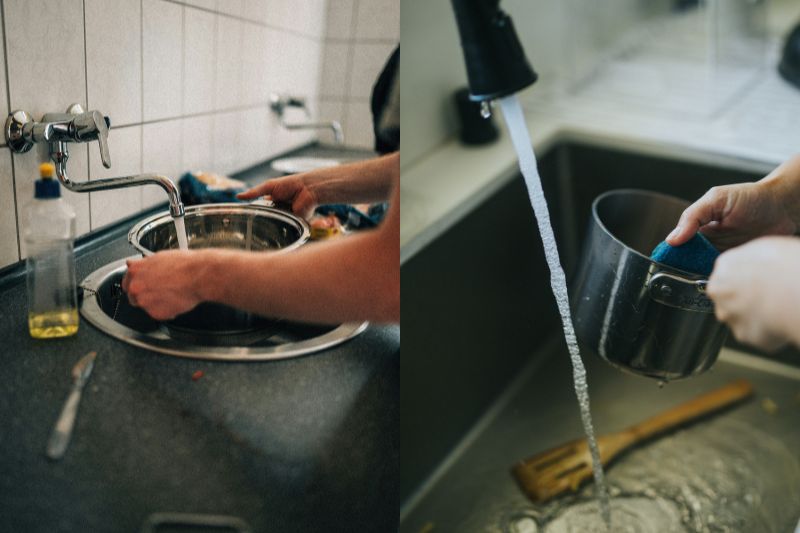
A few simple habits can help your kitchen utensils last for years.
- Wash wooden utensils by hand and dry them immediately.
- Apply food-grade mineral oil to wooden utensils occasionally to prevent drying and cracking.
- Avoid exposing silicone utensils to direct flames.
- Replace plastic utensils if they become cracked, stained, or warped.
- Store frequently used utensils in a holder or drawer organizer for easy access.
- Proper cleaning and safe food handling practices also help reduce the risk of foodborne illness.
Taking good care of your utensils not only extends their lifespan but also makes everyday cooking more enjoyable.
Frequently Asked Questions (FAQ)
1. What are the must-have kitchen utensils every home cook needs?
Most home cooks should have a chef’s knife, cutting board, silicone spatula, wooden spoon, tongs, whisk, measuring cups, measuring spoons, mixing bowl, peeler, ladle, slotted spoon, kitchen shears, can opener, and colander. These essentials cover most everyday cooking tasks.
2. Which material is best for kitchen utensils?
It depends on the utensil and how you cook. Stainless steel is durable, silicone is ideal for non-stick cookware, and wood is excellent for everyday stirring and mixing.
3. Are silicone kitchen utensils safe?
Yes. High-quality, food-grade silicone utensils are considered safe for everyday cooking and are heat-resistant. They’re also less likely to scratch non-stick cookware than metal utensils.
4. How many kitchen utensils do I really need?
For most households, around 15 well-chosen kitchen utensils are enough for daily cooking. Buying more doesn’t always make cooking easier.
5. What’s the difference between kitchen tools and kitchen utensils?
Kitchen utensils are handheld items used during food preparation and cooking, such as spatulas, whisks, and spoons. Kitchen tools is a broader term that can also include knives, peelers, graters, and other equipment.
6. How often should I replace kitchen utensils?
Replace utensils when they’re cracked, warped, rusted, or no longer safe to use. High-quality utensils can last for many years with proper care.
7. Which kitchen utensils are best for non-stick cookware?
Silicone, wooden, and nylon utensils are generally the safest choices because they’re less likely to damage the non-stick coating.
8. Is it better to buy a kitchen utensil set or individual pieces?
If you’re starting from scratch, a small quality set can be a good option. Otherwise, buying individual utensils allows you to choose better-quality tools based on your cooking needs.
9. What are the most commonly used kitchen utensils?
The most frequently used kitchen utensils include a chef’s knife, cutting board, wooden spoon, silicone spatula, tongs, whisk, measuring cups, and mixing bowl.
10. How do I organize kitchen utensils efficiently?
Store everyday utensils near your cooking area, use drawer dividers or utensil holders, and keep rarely used items in separate storage to reduce clutter.
Final Thoughts
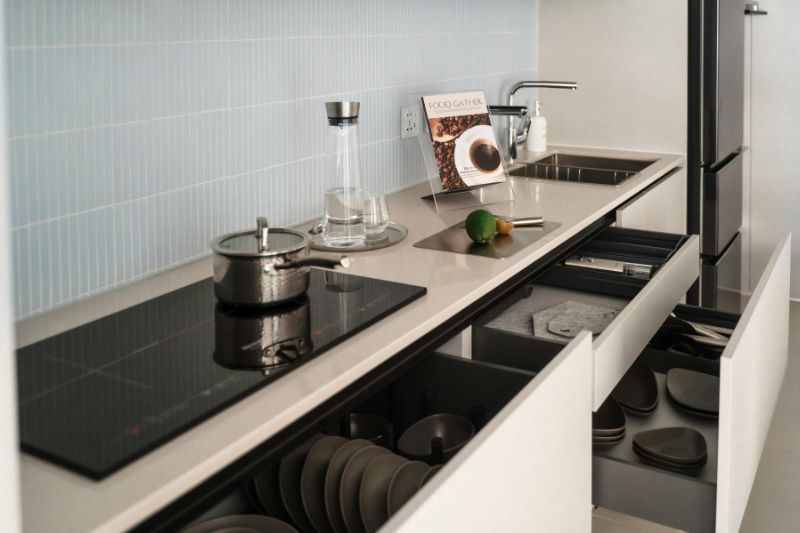
The best kitchen isn’t the one with the most gadgets, it’s the one equipped with kitchen utensils that are practical, durable, and easy to use. By focusing on a small collection of reliable essentials, you can prepare everyday meals more efficiently, keep your kitchen organized, and avoid spending money on tools that rarely leave the drawer.
Whether you’re setting up your first kitchen or upgrading your current one, investing in the right must-have kitchen utensils is a decision that pays off every time you cook. Start with the essentials, choose durable materials, and build your collection gradually based on your cooking style and everyday needs.
Once you’ve chosen the right utensils, organizing them properly can make everyday cooking even easier. Here are some practical pantry organization ideas to help maximize your kitchen storage.
Looking for more practical kitchen tips? Explore our kitchen cleaning hacks and buying guides to build a safer, more organized kitchen.
📚 Recommended Reading
If you found this guide helpful, you may also like:
- 👉 Best Cutting Board Material: Wood vs Bamboo vs Plastic
- 👉 Best Non-Toxic Non-Stick Cookware Sets
- 👉 15 Natural Kitchen Cleaning Hacks for a Sparkling Kitchen
- 👉 Pantry Organization Ideas to Maximize Storage
Looking for more practical kitchen tips, appliance buying guides, and easy recipes? Browse our latest articles and discover more helpful kitchen guides.